SYNOPSIS
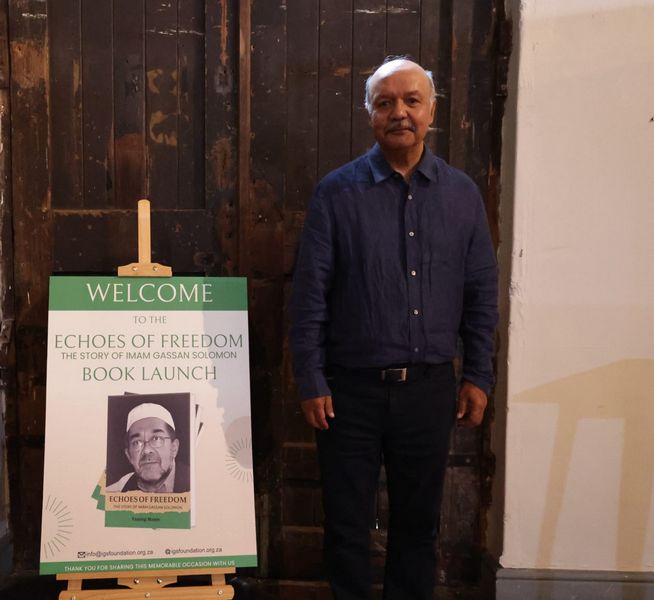
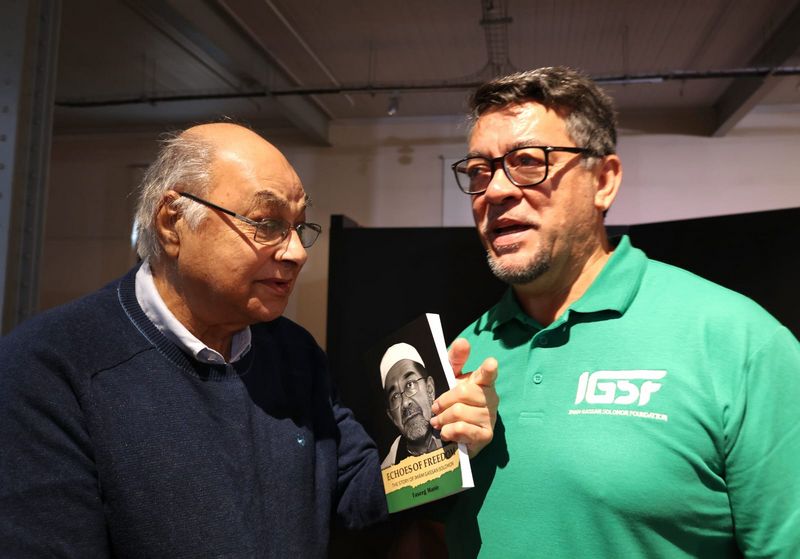
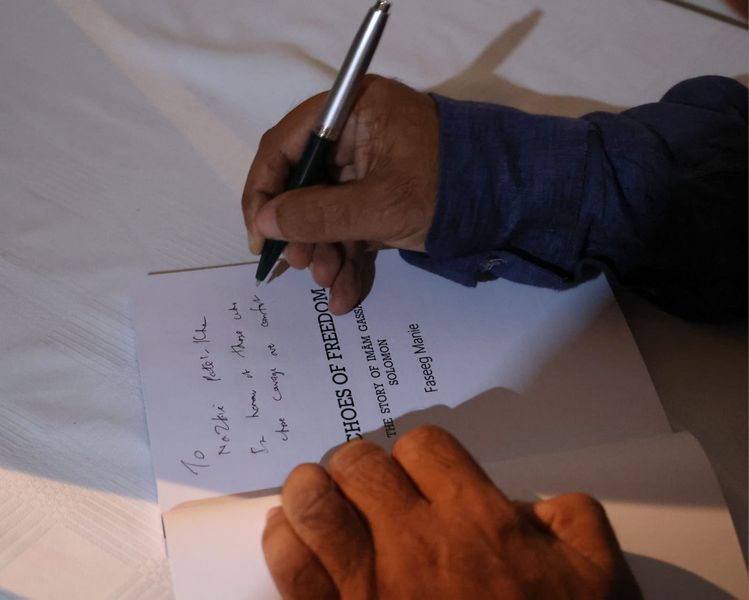
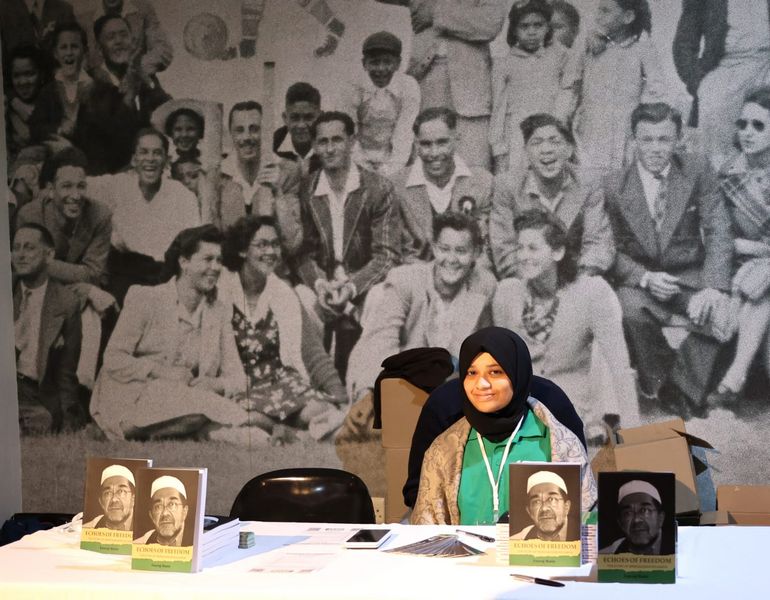
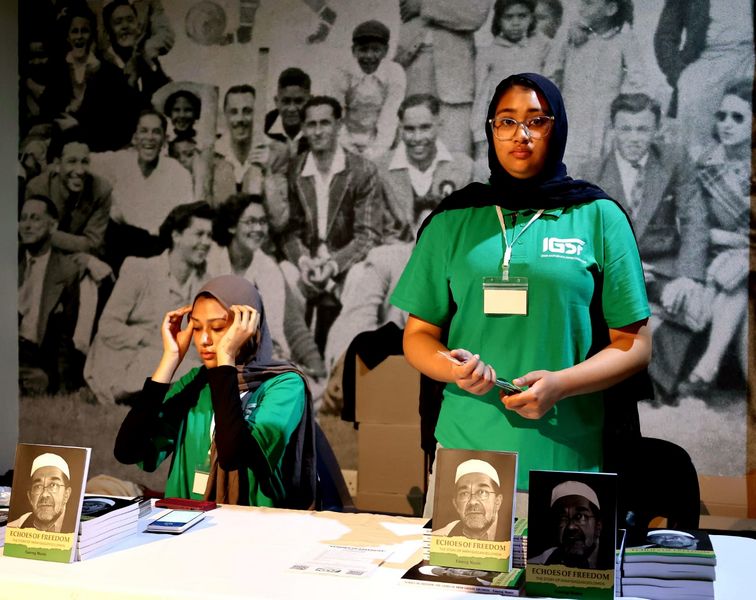
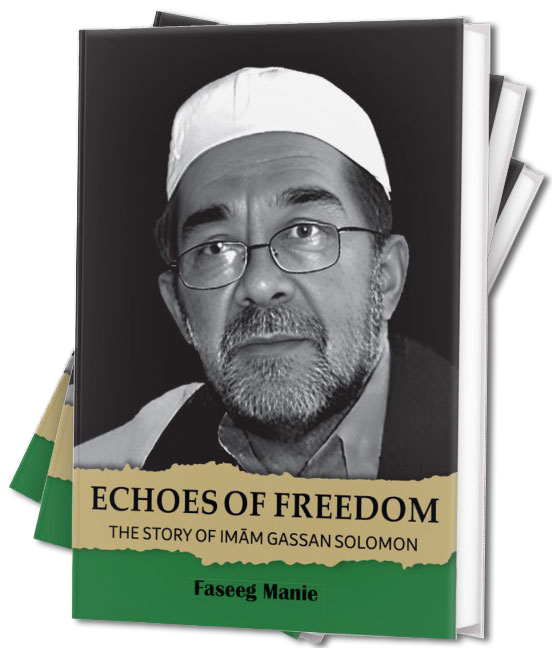
Echoes of Freedom: The Story of Imam Gassan Solomon, written by Faseeg Manie, offers a deep exploration of Imam Gassan Solomon’s multifaceted life—revealing his journey as a devoted son, brother, father, and grandfather; a senior textile factory manager; a leader of a Muslim charitable organization; a steadfast anti-apartheid activist; a progressive Imam; a dissident evading security police; an exile; and a dedicated professional politician. It provides an intimate portrayal, focusing on his personal qualities, struggles, and the highs and lows of his life, rather than presenting an academic treatise.
The narrative delves into Imam Gassan's lineage and background, highlighting recurring themes and challenges that shaped his journey. It also examines the arrival of the first Muslims in the Western Cape and their profound influence on South Africa, especially in the region where they impacted the cultural and political landscape. Despite their minority status, their influence has had a lasting effect on the country’s identity.
Imam Gassan's upbringing is detailed, with particular emphasis on how his parents shaped his values and beliefs, and the profound impact of the Group Areas Act on him and his family. His departure from the textile industry to lead the South African National Zakah Fund (SANZAF) and later become the Imam of Claremont Main Road Mosque (CMRM) is also chronicled. His leadership there was marked by a progressive stance against apartheid injustices and contentious issues, contrasting with the more conservative views prevalent among Muslim clergy. This shift was driven by key influences such as the death of Imam Haron and his participation in the 1960 anti-apartheid march led by Philip Kgosana.
The book also highlights Imam Gassan's involvement in the Call of Islam and his engagement with the interfaith and secular communities, emphasising his commitment to social justice within Islamic teachings. His pursuit by the security police due to his anti-apartheid activities is described, including his daring escape from CMRM, his decision to go into exile in Saudi Arabia, and his experiences there.
Returning to South Africa after the end of apartheid, Imam Gassan faced challenges as a Member of Parliament, advocating for justice while navigating political dynamics. His role in co-founding Voice of the Cape, a community-based radio station, is explored, emphasising its impact on fostering dialogue and social change. The narrative also highlights his international travels to Iran, Saudi Arabia, Malaysia, and Indonesia, and their influence on his worldview.
Throughout the book, Imam Gassan is portrayed as a lively person with a deep faith. He enjoyed sports like athletics and cricket, had hobbies such as fishing and pigeon racing, and cherished time spent with his grandchildren. The book also touches on how the Solomon family was able to reclaim their ancestral land in Constantia, though this occurred after Imam Gassan’s passing.
The story concludes by reflecting on Imam Gassan's lasting impact, accentuating his critical role in South Africa's journey to democracy and his ongoing contributions to social justice. His enduring legacy, shaped by resilience, courage, and grassroots activism, is highlighted. As an inspirational figure, Imam Gassan’s deep faith was a driving force in the fight against apartheid. He emerges as an unsung hero, demonstrating how religious conviction can inspire profound societal change.
Faseeg Manie